In an era where precision and customization dictate industrial success, Thermoset Mold Manufacturers play an essential role in various sectors, including automotive, electronics, and consumer goods. With the capability to produce durable and chemically resistant materials through specially engineered molds, businesses can enhance their product quality and operational efficiency. This article aims to address the common user pain points associated with creating custom thermoset molds. By presenting a comprehensive understanding of thermoset molds, we’ll explore the nuances of the manufacturing process, what information is necessary before placing an order, and how you can optimize your production lines with the right choices.
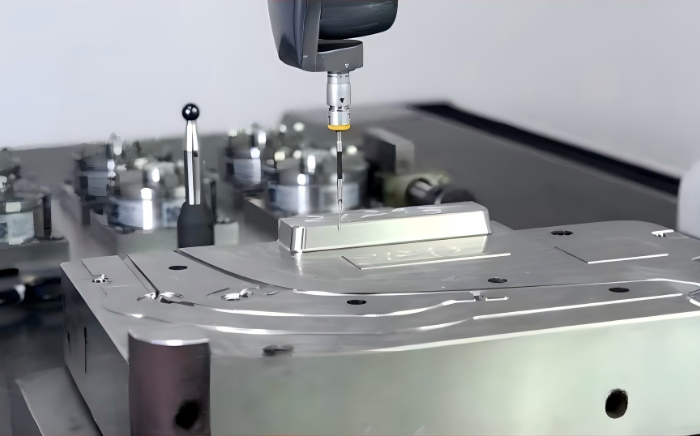
Providing accurate and comprehensive information is critical when ordering a custom thermoset mold. Key details include:
A thermoset mold is a type of mold used in the production of thermosetting plastics, which are polymers that harden permanently after being heated. The chemical structure of thermosetting plastics undergoes a permanent change during the curing process, resulting in a rigid and durable finished product. According to research, products made with thermoset plastics exhibit a higher tensile strength—typically around 25% more than their thermoplastic counterparts—and better thermal resistance.
Thermoset molds find extensive applications in:
The significance of using thermoset molds in various industries lies in their noteworthy advantages:
For those considering the investment in custom thermoset molds, it’s vital to consult with a qualified thermoset mold manufacturer to discuss your specific needs. Begin by gathering all necessary information, including specifications and expectations, and reach out for a consultation on how to proceed.
Q: What materials are typically used in thermoset molds?
A: Common materials include epoxy, polyester, polyimide, and phenolic resins, each offering unique properties suited to various applications.
Q: How long do thermoset molds last?
A: Properly maintained thermoset molds can last for thousands of production cycles, depending on their design and usage.
Q: Can I modify existing mold designs?
A: Yes, it is often possible to modify existing designs to accommodate new specifications or improve efficiency.
Q: What should I expect during the mold manufacturing process?
A: Expect iterative design and prototyping stages, where feedback on the mold performance may lead to adjustments before final production.
If you're considering incorporating custom thermoset molds into your production strategy, explore further by visiting SET MOLD for more detailed insights and professional consultations tailored to your manufacturing needs. This could significantly refine your processes and enhance product performance.
In conclusion, utilizing services from a reputable Thermoset Mold Manufacturer can not only resolve specific manufacturing pain points but also foster strategic innovations, ultimately leading to a more streamlined production process and improved product offerings.
Aug 07, 2026

Looking for the right thermoset mold solution?
Explore our full range of BMC, SMC and phenolic molds — built for precision, stability and long-term performance. Click Thermoset Molds to quickly find the best fit for your project.
Or contact us at info@thermosetmold.com — we’ll help you get it right.

Get A Quote?
Ready to start your next thermoset mold project?
Let our experienced team help you move smoothly from design to production.
Navigation
Navigation
Contact Us
Phone: +86-755-8656 5585
E-mail: info@thermosetmold.com
WhatsApp: +86 138 2329 3321
Add.: 102, Building 4th, RongHui Industrial Park, Guangming District, 518106 Shenzhen, China.