In the manufacturing of electrical insulators and switchgear components, the choice of materials is crucial. Thermoset molds are increasingly favored due to their superior thermal stability, electrical insulation properties, and mechanical strength. Understanding the advantages of thermoset molding as an effective manufacturing solution can help distributors and overseas buyers make informed decisions. Here, we delve into the reasons why thermoset molds stand out in the industry, addressing common user queries and pain points related to performance and reliability.
Thermoset molds offer numerous benefits in the production of electrical insulators and switchgear components:
Thermosets withstand higher temperatures compared to thermoplastics, making them ideal for applications that involve significant heat exposure.
These materials provide excellent electrical insulation, ensuring the safety and efficiency of electrical components.
Minimized deformation allows for precise fitting of components, which is critical in electrical applications.
Thermoset molds resist many chemicals, which is essential in environments where exposure to aggressive substances occurs.
These molds exhibit a longer lifespan, reducing the need for frequent replacements and associated costs.
Despite their advantages, buyers may encounter specific challenges when considering thermoset molds:
The initial investment for thermoset molds may be higher, but the long-term savings in durability can offset these costs.
Manufacturing processes can be complicated, requiring precise parameters to achieve the best results.
Unlike thermoplastics, thermosets are not easily recyclable, which can be a concern for environmentally conscious companies.
To ensure optimal performance, consider the following factors when selecting thermoset molds:
| Property | Thermoset Molds | Thermoplastic Molds |
|---|---|---|
| Thermal Stability | High | Moderate |
| Electrical Insulation | Excellent | Good |
| Shrinkage | Low | High |
| Chemical Resistance | High | Moderate |
| Recyclability | Limited | High |
Identify specific application requirements to choose the correct thermoset formulation for your components.
Partnering with reputed manufacturers like SET MOLD provides access to expertise and cutting-edge technologies.
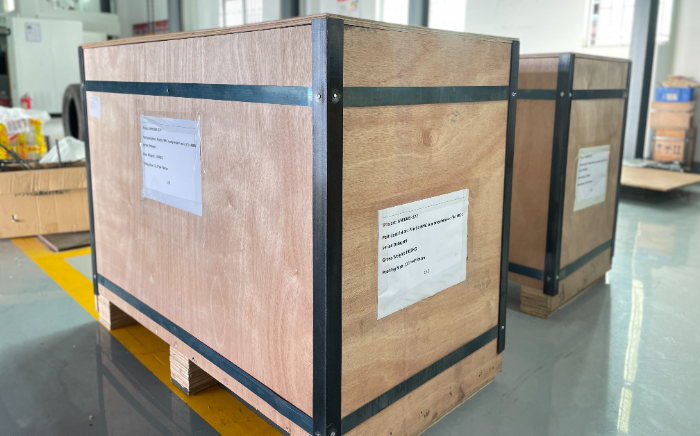
The production of thermoset molds involves several steps:
The industry is evolving with new technologies and trends that enhance the capabilities of thermoset molds:
Innovations in composite formulations offer improved performance and versatility.
Automation techniques are streamlining the manufacturing process, improving efficiency.
Efforts to improve recyclability and reduce waste are gaining importance within the industry.
Thermoset molds are a critical component in the manufacturing of electrical insulators and switchgear components. Their unique properties foster durability and reliability, thus minimizing long-term costs for manufacturers and distributors alike. By understanding the benefits and challenges associated with thermoset molds, stakeholders can make more informed choices that enhance their manufacturing processes. For more information on thermoset molds, consider consulting with industry leaders such as SET MOLD, who specialize in this area.
Aug 04, 2026

Looking for the right thermoset mold solution?
Explore our full range of BMC, SMC and phenolic molds — built for precision, stability and long-term performance. Click Thermoset Molds to quickly find the best fit for your project.
Or contact us at info@thermosetmold.com — we’ll help you get it right.

Get A Quote?
Ready to start your next thermoset mold project?
Let our experienced team help you move smoothly from design to production.
Navigation
Navigation
Contact Us
Phone: +86-755-8656 5585
E-mail: info@thermosetmold.com
WhatsApp: +86 138 2329 3321
Add.: 102, Building 4th, RongHui Industrial Park, Guangming District, 518106 Shenzhen, China.