Thermoset molds play a critical role in modern industrial manufacturing, especially in applications where high temperature resistance, dimensional stability, and mechanical strength are essential. Unlike thermoplastic materials, thermoset materials undergo an irreversible chemical curing process during molding, forming a rigid cross-linked molecular structure that cannot be remelted or reshaped.
This unique property makes thermoset molding an ideal solution for demanding industries such as automotive, electrical insulation, industrial equipment, and
Jan 15, 2026
What Is a Thermoset Mold?
A thermoset mold is specifically designed for processing thermosetting materials such as BMC (Bulk Molding Compound), SMC (Sheet Molding Compound), phenolic resin, epoxy resin, and polyester-based compounds. During molding, heat and pressure initiate a chemical cross-linking reaction that permanently hardens the material.
Because the curing process is irreversible, thermoset mold design requires a higher level of precision compared to thermoplastic molds. Mold temperature control, material flow balance, venting design, and surface treatment are all critical factors that directly affect final part quality.
One of the most significant advantages of thermoset molded parts is their excellent thermal stability. Once cured, thermoset materials can withstand high operating temperatures without deformation, making them suitable for under-the-hood automotive components and electrical applications.
Additionally, thermoset materials offer strong chemical resistance, low creep, high structural integrity, and excellent surface finish. These properties allow manufacturers to produce lightweight yet highly durable components that maintain performance over long service cycles.
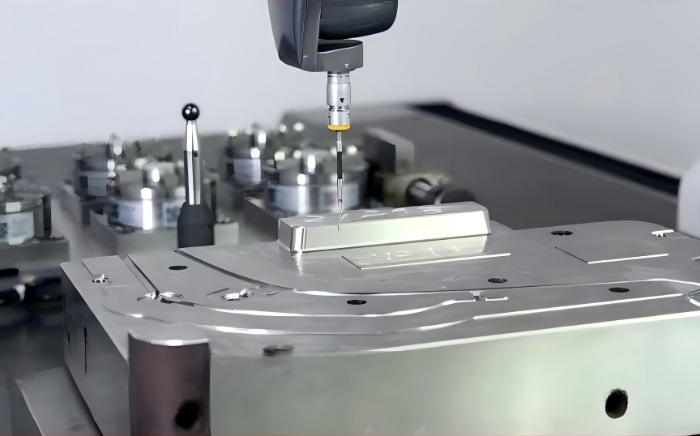
Manufacturing a high-quality thermoset mold requires strict control over machining accuracy, mold steel selection, heat treatment, and surface finishing. Proper heating and cooling channel layout is essential to ensure uniform curing and avoid internal stress or incomplete curing.
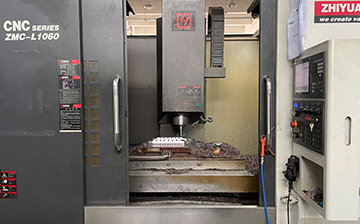
At Set Mold, thermoset mold development follows a systematic process that includes 3D mold design, flow and thermal simulation, precision machining, and thorough quality inspection. This approach ensures consistent molding performance.
Global demand for thermoset molded components continues to grow, driven by lightweight automotive design, electrification, and industrial modernization. As industries seek materials with higher performance and longer service life, thermoset molding technology is becoming increasingly important.
With continuous innovation in materials and mold engineering, thermoset molds will remain a key solution for high-performance manufacturing applications.

Looking for the right thermoset mold solution?
Explore our full range of BMC, SMC and phenolic molds — built for precision, stability and long-term performance. Click Thermoset Molds to quickly find the best fit for your project.
Or contact us at info@thermosetmold.com — we’ll help you get it right.

Get A Quote?
Ready to start your next thermoset mold project?
Let our experienced team help you move smoothly from design to production.
Navigation
Navigation
Contact Us
Phone: +86-755-8656 5585
E-mail: info@thermosetmold.com
WhatsApp: +86 138 2329 3321
Add.: 102, Building 4th, RongHui Industrial Park, Guangming District, 518106 Shenzhen, China.