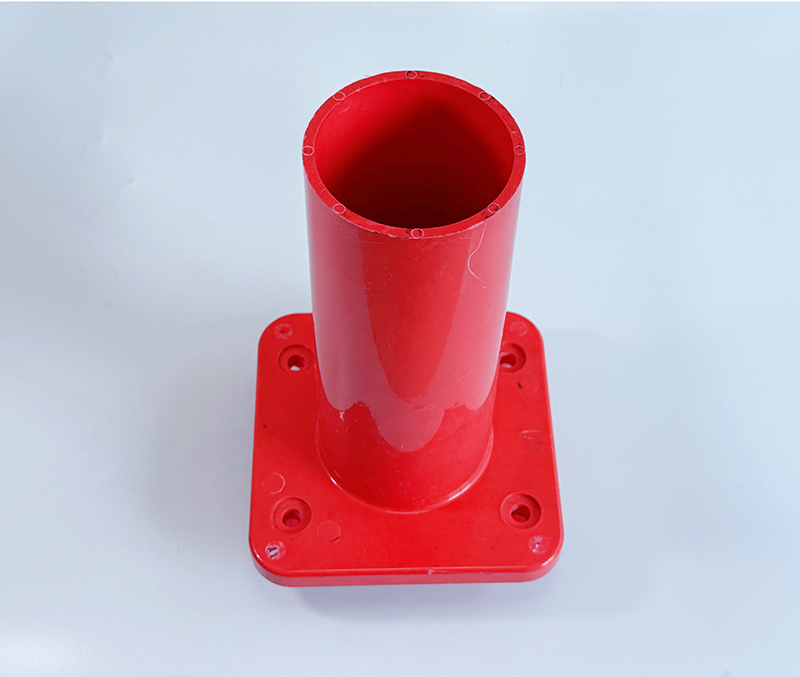
Thermoset compression molding involves shaping thermosetting plastics into specific forms by applying heat and pressure. This process is ideal for creating parts with complex geometries and high strength.
Injection molding is a manufacturing process where molten plastic is injected into a mold to produce precise and consistent parts. It works well for high-volume production of both thermoplastics and thermosets.
| Parameter | Compression Molding | Injection Molding |
|---|---|---|
| Cycle Time | Longer | Shorter |
| Mold Complexity | Less Complex | Highly Complex |
| Material Flexibility | Limited to Thermosets | Broad Selection of Plastics |
| Production Volume | Lower | Higher |
| Cost Efficiency | Lower for Low Volume | Economical for High Volume |
Thermoset parts exhibit excellent resistance to heat and chemical exposure, which significantly enhances battery life and stability in automotive applications. They maintain structural integrity under extreme conditions.
Components produced through compression molding display superior durability because thermosetting materials are less prone to deform or degrade compared to thermoplastics, making them suitable for high-stress environments.
Compression molding is best suited for low to medium production volumes where strength and durability are paramount, such as in the manufacturing of automotive parts and electrical components.
For high-volume production with complex geometries, injection molding is the preferred method. It is ideal for consumer products, medical devices, and other applications requiring precision.
As a leading Compression Mold Manufacturer, SET MOLD emphasizes the importance of choosing the right manufacturing process based on specific needs. Whether your focus is on durability, cycle time, or production volume, understanding the differences between thermoset compression molding and injection molding can guide you to make an informed decision. For more details, visit us at SET MOLD.
Jul 07, 2026

Looking for the right thermoset mold solution?
Explore our full range of BMC, SMC and phenolic molds — built for precision, stability and long-term performance. Click Thermoset Molds to quickly find the best fit for your project.
Or contact us at info@thermosetmold.com — we’ll help you get it right.

Get A Quote?
Ready to start your next thermoset mold project?
Let our experienced team help you move smoothly from design to production.
Navigation
Navigation
Contact Us
Phone: +86-755-8656 5585
E-mail: info@thermosetmold.com
WhatsApp: +86 138 2329 3321
Add.: 102, Building 4th, RongHui Industrial Park, Guangming District, 518106 Shenzhen, China.