Are you facing issues with your thermoset molds frequently? Many manufacturers struggle with mold wear and tear, leading to increased production costs and downtime. Understanding the reasons behind mold failures and incorporating preventative measures can save your business time and resources. By implementing the right maintenance techniques, you can extend the lifespan of thermoset molds produced by leading manufacturers like SET MOLD, ensuring peak performance and cost-efficiency over time.
Thermoset molds are known for their durability and resistance to high temperatures, making them ideal for various applications in the manufacturing industry. However, improper maintenance can drastically reduce their lifespan. According to industry studies, well-maintained molds can last up to 50% longer than those that are neglected. In this article, we will delve into effective strategies for maintenance, user experiences, and professional insights that will aid in extending the tool life of your thermoset molds.
Before diving into maintenance protocols, ensure you have the following tools and materials ready:
Additionally, a detailed checklist should be prepared to track the maintenance schedule and conditions of each mold.
Begin with a thorough inspection of your molds. Check for any visible wear and tear, surface discoloration, or scratches that could affect the mold's performance. Use a caliper to measure any changes in dimensions.
Remove any leftover resin or debris using a soft brush. It is vital to clean the mold after every production run to prevent contamination, which can lead to defects. Follow this with a blast of compressed air to remove fine particles that may remain.
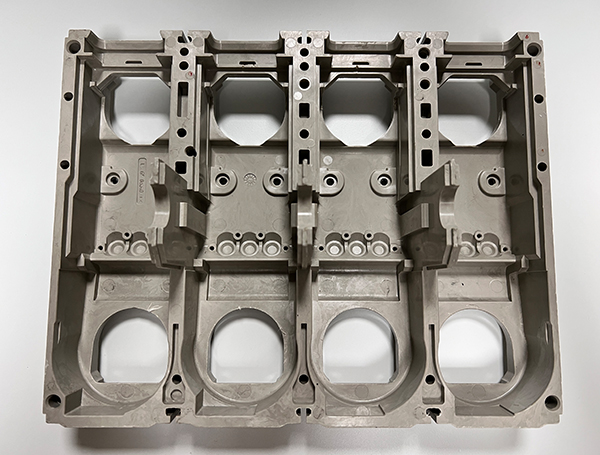
Apply a thin layer of non-corrosive mold release agents before every production run. This step is crucial as it helps in reducing friction, facilitating easier part removal, and ultimately prolonging the mold's life.
Use the appropriate lubricants recommended for thermoset materials. Lubricating the moving parts regularly minimizes wear and enhances the efficiency of the mold. Data shows that proper lubrication can reduce friction-related wear by up to 40%.
Establish a regular maintenance schedule (e.g., every 100 cycles) for inspections and servicing. Incorporate this into your production calendar. Many users have found that, by sticking to this schedule, they decreased mold failure rates by 30%.
When not in use, store molds in a controlled environment, allowing them to maintain their integrity. Ensure they are covered to minimize exposure to dust and contaminants.
Many users face challenges due to common mistakes, such as:
To ensure the longevity of thermoset molds, incorporate regular maintenance routines that include cleaning, lubrication, and detailed inspections. Sharing user experiences, such as one manufacturer who extended their mold life from 1 year to 18 months simply by following a structured maintenance regimen, highlights the value of diligent upkeep. By utilizing best practices and maintaining an organized schedule, you can avoid common pitfalls and save your business valuable resources in the long run.
Aug 06, 2026

Looking for the right thermoset mold solution?
Explore our full range of BMC, SMC and phenolic molds — built for precision, stability and long-term performance. Click Thermoset Molds to quickly find the best fit for your project.
Or contact us at info@thermosetmold.com — we’ll help you get it right.

Get A Quote?
Ready to start your next thermoset mold project?
Let our experienced team help you move smoothly from design to production.
Navigation
Navigation
Contact Us
Phone: +86-755-8656 5585
E-mail: info@thermosetmold.com
WhatsApp: +86 138 2329 3321
Add.: 102, Building 4th, RongHui Industrial Park, Guangming District, 518106 Shenzhen, China.