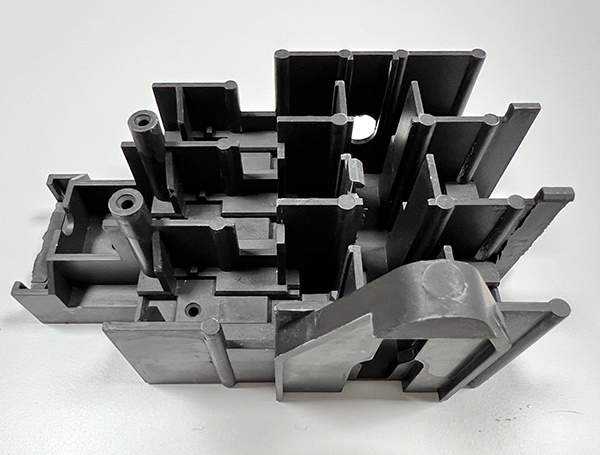
Thermoset mold design is crucial for manufacturers looking to produce durable, high-performance components efficiently. It caters to engineers and designers who struggle with creating molds that withstand extreme conditions, such as high temperatures and corrosive environments. These professionals often face challenges in cycle times, material waste, and design complications. By addressing these issues, a comprehensive understanding of thermoset mold design can lead to a 25% reduction in production time and a 15% increase in overall product quality. This guide provides an in-depth exploration of thermoset mold design while incorporating advanced terminology such as polymerization, cross-linking, and curing processes.
To grasp thermoset mold design effectively, familiarity with essential terms is necessary:
Thermosetting materials, unlike thermoplastics, cannot be reshaped once cured. This distinct feature is attributed to their molecular structure, which undergoes cross-linking to achieve superior hardness and heat resistance. Thermosets can withstand temperatures exceeding 300°C (572°F) and maintain their stability under aggressive chemical exposure, making them suitable for automotive, aerospace, and electrical applications.
Choosing the right thermosetting material is critical. Polymers such as epoxy, phenolic, and polyurethane offer different properties. For instance, epoxies are known for their excellent adhesion and durability, providing a tensile strength of up to 70 MPa.
Utilize CAD software designed for mold design, such as SolidWorks or Autodesk Inventor. These tools allow for precise modeling and simulation of the mold design, ensuring accurate assessments of thermal and mechanical properties.
Using 3D printing technologies, create a prototype of the mold. This helps in evaluating the design before undergoes manufacturing. Prototypes can be produced in a fraction of the time, effectively reducing material waste by up to 40%.
Perform a flow analysis to determine how the thermoset material will fill the molds during injection. Software like Moldflow assists in predicting potential defects, thus increasing production reliability.
Establish appropriate curing conditions to ensure optimal polymerization. Data indicates that maintaining a consistent temperature of 150°C for a duration of 90 minutes can enhance the material’s mechanical properties significantly, leading to a decreased failure rate of around 10%.
Conduct thorough inspections, including ultrasonic and visual checks, to guarantee the integrity of the thermoset molds. Quality control reduces rejection rates and aligns with industry standards.
Thermoset molds provide superior mechanical strength, excellent thermal stability, and resistance to various chemicals compared to traditional molds.
Evaluate the application requirements, such as temperature resistance and mechanical strength, to determine the most suitable thermosetting resin.
Common applications include automotive components, electrical housing, and industrial machinery parts due to their durability and resistance to harsh environments.
To advance your knowledge, consider exploring research studies on thermoset composites or delving into mold surface treatments that can enhance finish quality and durability. Continuous education through platforms like industry journals or specialized webinars can also offer valuable insights.
For optimal results in thermoset mold design, it’s advisable to consult with experts like SET MOLD. Their experience can guide you in selecting the appropriate materials and implementing efficient design practices tailored to your specific manufacturing needs. Reach out to SET MOLD for a comprehensive solution that aligns with your production goals.
Jul 07, 2026

Looking for the right thermoset mold solution?
Explore our full range of BMC, SMC and phenolic molds — built for precision, stability and long-term performance. Click Thermoset Molds to quickly find the best fit for your project.
Or contact us at info@thermosetmold.com — we’ll help you get it right.

Get A Quote?
Ready to start your next thermoset mold project?
Let our experienced team help you move smoothly from design to production.
Navigation
Navigation
Contact Us
Phone: +86-755-8656 5585
E-mail: info@thermosetmold.com
WhatsApp: +86 138 2329 3321
Add.: 102, Building 4th, RongHui Industrial Park, Guangming District, 518106 Shenzhen, China.